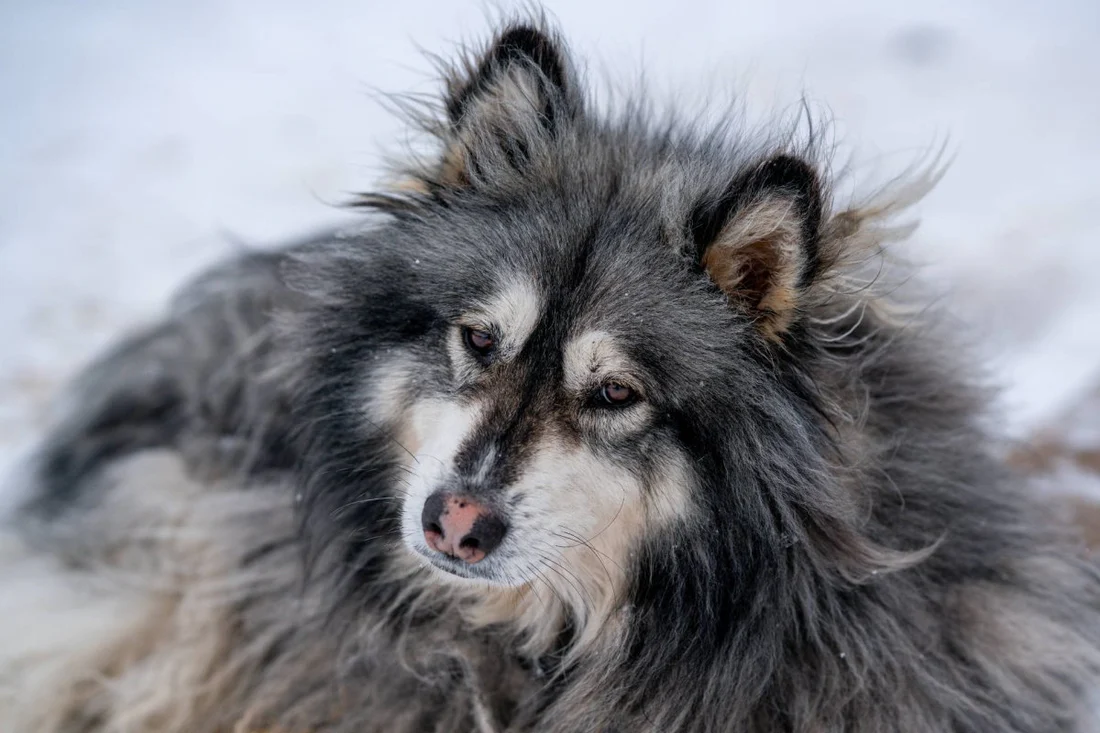
A dog's coat is more than a visual feature. It functions as insulation, a physical barrier against the environment, and a reflection of overall skin health. Understanding what kind of coat your dog has — and what it requires to stay clean, healthy, and tangle-free — is one of the more practical things you can do as a pet owner. This guide covers the major coat categories, the common breeds that fall into each, and the specific care approaches each type needs.
Why Coat Type Matters for Grooming
Many grooming problems stem from applying the wrong approach to a particular coat type. Shaving a double-coated dog in summer, for example, removes the insulation designed to keep the dog cool. Brushing a curly coat without the right tools pulls and breaks the hair rather than detangling it. Using a deshedding tool on a non-shedding breed does little useful work and may irritate the skin.
Coat type also influences how frequently professional grooming is needed, which brushes are most effective at home, which shampoos work best, and how long appointments typically take. When you understand your dog's coat, you can set appropriate expectations and communicate clearly with your groomer about what your dog needs.
Smooth and Short Coats
Smooth-coated breeds include Beagles, Boxers, Dalmatians, Vizslas, Doberman Pinschers, and Bull Terriers. Their coats lie flat and close to the skin, are relatively low maintenance, and do not mat or tangle. Despite appearing low-effort, these coats still shed — sometimes more than owners expect — and require consistent brushing to manage loose hair and keep skin healthy.
The best brushing tools for smooth coats are rubber grooming mitts and soft-bristle brushes. These remove loose dead hair and help distribute the skin's natural oils along the shaft of the coat. Weekly brushing is usually adequate. Bathing every six to eight weeks is typical unless the dog has gotten into something or spends a lot of time outdoors.
One thing smooth-coated dog owners should watch for is dry or flaky skin, which shows up more visibly against a short coat than against a longer one. A diet with appropriate fatty acid content and regular brushing to stimulate oil distribution can help maintain healthy skin.
Double Coats
Double-coated breeds are among the most common dogs in the US. The category includes Golden Retrievers, Labrador Retrievers, German Shepherds, Siberian Huskies, Alaskan Malamutes, Bernese Mountain Dogs, Samoyeds, Border Collies, Australian Shepherds, and many herding and working breeds.
The double coat consists of two layers: a soft, dense undercoat close to the skin that provides insulation, and a longer outer coat of guard hairs that repels water and debris. These two layers work together to regulate temperature in both cold and warm weather. This is why shaving a double-coated dog disrupts the coat's function — the two layers do not always regrow properly or in sync after shaving, and the coat's ability to insulate and self-regulate is compromised.
Managing the Undercoat
The main grooming challenge with double coats is managing undercoat shedding, which intensifies during seasonal coat blows in spring and fall. During these periods, the undercoat releases in large quantities, and without daily brushing, it compacts against the skin and can cause matting, skin irritation, and hot spots.
Slicker brushes and undercoat rakes are effective for penetrating the outer layer and removing loose undercoat. Professional deshedding treatments combine high-velocity drying, thorough brushing, and specialized tools to remove significantly more dead undercoat than at-home brushing typically achieves. For heavy shedders, professional deshedding every six to ten weeks significantly reduces household shedding and keeps the coat in better overall condition.
Long and Silky Coats
Long, silky-coated breeds include Yorkshire Terriers, Maltese, Shih Tzus, Lhasa Apsos, Cavalier King Charles Spaniels, and Afghan Hounds. These coats are visually striking but require significant maintenance to stay healthy. The fine, silky texture tangles easily, particularly in areas where the coat experiences friction — behind the ears, under the collar, in the armpits, and around the groin.
Daily brushing is the standard recommendation for long-coated breeds in full coat. Using a pin brush or slicker brush on a coat that is slightly damp (using a light detangling spray) helps prevent breakage. Always brush in sections rather than making broad passes across the surface — it's the coat at skin level that mats first, and surface brushing often misses it.
Managing Matting
When mats do form, catching them early makes them manageable. Small mats can often be worked through with a dematting comb or your fingers, starting from the outside edge and working inward. Large or dense mats should not be forced through — the pulling causes pain, breaks the hair shaft, and can tear the skin. In serious cases, shaving the affected area is the most humane choice, even if it means sacrificing coat length.
Some owners of long-coated breeds choose to keep their dog in a shorter "puppy cut" or utility trim year-round, which reduces the maintenance demand considerably while keeping the dog comfortable. This is a practical choice for many pet owners and does not harm the dog's health.
Curly and Wavy Coats
Standard Poodles, Miniature Poodles, Toy Poodles, Bichon Frises, Portuguese Water Dogs, and many popular mixed breeds (Labradoodles, Goldendoodles, Bernedoodles) fall into this category. These dogs are often described as low-shedding because they lack the heavy seasonal coat release of double-coated breeds. However, the low-shedding characteristic comes with a tradeoff: because dead hair does not fall out naturally, it stays in the coat and becomes incorporated into new growth, creating dense, compacted areas that mat badly if not maintained.
Curly and wavy-coated dogs need professional grooming more frequently than most other coat types — typically every four to six weeks. At home, brushing three to four times per week is the general target. The right brush for this coat type is a slicker brush with flexible pins. Brushing should go all the way to the skin; curly coats have a tendency to form tight mats at the base of the hair that are invisible from the surface until they become severe.
A Note on Doodle Coats
Mixed breeds with Poodle heritage often have coats that vary significantly in texture, even within the same litter. Some have loose, manageable waves; others have tight curls that behave like a purebred Poodle coat. There is no reliable way to predict which coat a doodle puppy will develop until it matures. Owners of doodle mixes should be prepared for the possibility of a high-maintenance coat and factor that into care planning from puppyhood.
Wire and Broken Coats
Wire-coated breeds include Wire Fox Terriers, Welsh Terriers, Scottish Terriers, West Highland White Terriers, Border Terriers, Airedale Terriers, and Wirehaired Pointing Griffons, among others. The wiry texture comes from a coarse outer coat that lies over a softer undercoat. The coat feels rough to the touch and has a distinct texture that sets it apart from softer coat types.
The traditional method for maintaining a wire coat is hand stripping — a technique where the dead outer coat is manually pulled out at the root rather than cut. This preserves the hardness and texture of the outer coat, maintains the breed's characteristic appearance, and encourages proper coat regrowth. Hand stripping is time-consuming and requires skill; it is not something most groomers do, and owners seeking this service should confirm before booking.
Clipping wire coats is the more common approach in pet grooming. It is quicker and painless but gradually softens the texture of the outer coat because cutting the shaft does not remove the pigmented hard outer coat the way stripping does. Over time, a clipped wire coat may become softer and lose the dense, weather-resistant quality that gives working terriers their protective outer layer.
At home, wire coats benefit from regular brushing with a slicker brush and a metal comb to keep the undercoat from becoming dense. Professional grooming is typically needed every eight to twelve weeks.
Hairless and Near-Hairless Breeds
Breeds like the Chinese Crested, Xoloitzcuintli, and American Hairless Terrier have little to no coat. Without the protection a coat provides, these dogs are more susceptible to sunburn, cold, dry skin, and skin irritation from environmental contact. Regular bathing — more frequently than coated breeds, in some cases weekly — keeps the skin clean. Moisturizing is often beneficial, particularly in dry climates or during winter months with low indoor humidity.
Some hairless breeds have a partially coated variety; the Chinese Crested, for example, comes in a hairless form with tufts on the head, feet, and tail, and a powder puff variety with a full, soft double coat. Care approaches differ significantly between the two forms.
Using This Information
Knowing your dog's coat type is foundational to caring for it properly. If you're not sure what kind of coat your dog has — especially if you have a mixed breed — ask your veterinarian or a professional groomer. A groomer can assess the coat texture, density, and growth pattern on a hands-on basis and give practical recommendations for brushes, products, and scheduling.
The most important takeaway from this guide is that there is no universal approach. The right brush, the right shampoo, the right frequency — these depend entirely on what's actually growing on your particular dog. The more you understand about your dog's coat, the better positioned you are to keep it in good condition and catch problems early when they're easiest to address.