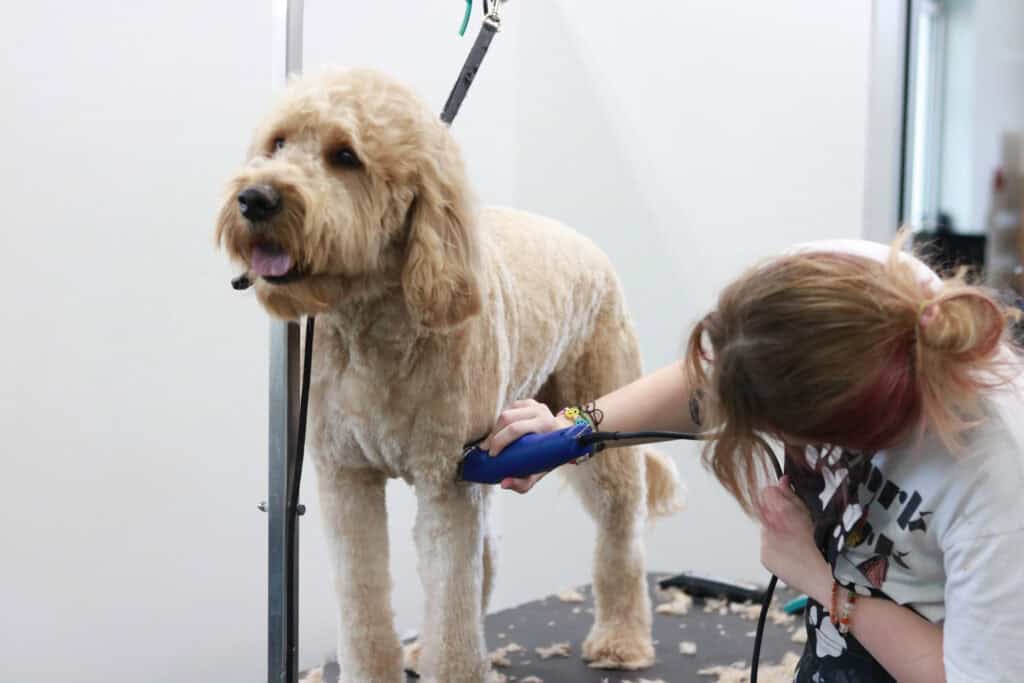
One of the most common questions dog owners ask is how frequently their pet needs grooming. The honest answer is that there is no single schedule that applies to every dog. Grooming frequency depends on several factors — coat type, breed, age, health, and even the time of year. Understanding those factors helps you build a routine that actually fits your dog's needs rather than following a generic rule that may not apply.
Why Grooming Frequency Matters
Grooming is not purely cosmetic. Regular brushing and bathing remove dirt, debris, dead skin cells, and loose hair that accumulate in the coat. When those accumulations build up, they can cause skin irritation, trap moisture, and — in longer-coated dogs — create matting that becomes increasingly painful and difficult to manage.
Nails that go untrimmed too long put pressure on the toes and change the way a dog walks, which can cause joint discomfort over time. Ear hygiene matters especially in breeds with heavy ear flap coverage, where trapped moisture and debris can lead to chronic ear infections. Regular grooming creates opportunities to check for lumps, skin abnormalities, parasite activity, or other health concerns before they become serious problems.
From a comfort standpoint, a dog that is regularly handled and groomed tends to tolerate the process better over time. Dogs that go long stretches without grooming often find the experience more stressful when they do come in, because longer sessions are required to address neglected coat issues.
Coat Type: The Most Important Factor
Your dog's coat type is the single biggest determinant of grooming frequency. Dogs are generally grouped into a handful of coat categories:
Short, Smooth Coats
Breeds like Beagles, Boxers, Bulldogs, and Weimaraners have short, flat coats that lie close to the skin. These coats shed but they do not tangle or mat. At-home brushing once a week with a rubber brush or grooming mitt is usually sufficient to remove loose hair and distribute skin oils. Professional baths every six to eight weeks are typically enough for hygiene maintenance, though some owners manage bathing at home without professional visits.
Double Coats
Breeds like Golden Retrievers, Labrador Retrievers, Siberian Huskies, German Shepherds, and Australian Shepherds carry a double coat — a soft, dense undercoat beneath a longer outer coat. These dogs shed heavily, particularly during seasonal coat transitions in spring and fall. During heavy shed periods, daily brushing is often necessary to prevent undercoat from matting against the skin.
Professional grooming every six to ten weeks helps manage the undercoat through thorough brushing and de-shedding treatments. It is worth noting that double-coated breeds should not be shaved — the double coat provides insulation in both warm and cold conditions, and removing it can interfere with its protective function and alter future coat regrowth.
Long, Silky Coats
Breeds like Yorkshire Terriers, Maltese, Shih Tzus, and Afghan Hounds have long, flowing coats that require frequent maintenance to prevent tangling and matting. These dogs typically need professional grooming every four to six weeks and daily or near-daily brushing at home. Without consistent attention, the coat develops mats that start at the skin surface — often in areas with friction, such as behind the ears, under the collar, and in the armpits.
Curly and Wavy Coats
Poodles, Portuguese Water Dogs, Bichon Frises, and many doodle mixes have curly or wavy coats that do not shed much but grow continuously. Without regular professional haircuts, the coat becomes increasingly dense and is highly prone to severe matting. These breeds need professional grooming every four to six weeks and consistent at-home brushing between appointments — ideally three to four times per week — to keep the coat from compacting.
Wire Coats
Breeds like Wire Fox Terriers, Scottish Terriers, and various other terriers have coarse, wiry outer coats. These coats require either hand stripping (a technique where dead outer coat is manually removed) or clipping. Hand stripping preserves the hard coat texture; clipping is easier but gradually softens the coat over time. Most wire-coated terriers benefit from professional grooming every eight to twelve weeks depending on the desired coat length.
At-Home Grooming Between Appointments
Professional grooming and at-home maintenance work best together. What happens between salon appointments significantly affects how easy future appointments are — for the groomer and for your dog.
Brushing is the most important at-home task for most dogs. Even short-coated dogs benefit from weekly brushing to reduce shedding and keep skin healthy. For longer-coated breeds, brushing frequency should match the coat's tendency to tangle — the curlier or longer the coat, the more often you should brush.
When brushing at home, work through the coat in sections, brushing down to the skin rather than just the surface. Surface-level brushing leaves the undercoat or inner coat untouched, allowing mats to form near the skin even when the outer coat looks smooth.
Ear checks should happen weekly, especially in floppy-eared breeds. You're looking for redness, discharge, unusual odor, or excessive head shaking — any of which warrants a vet visit rather than home treatment. Nails should be checked monthly; many dogs wear their nails down naturally through regular activity on hard surfaces, while others need more frequent trimming.
Age and Health Considerations
Puppies benefit from being introduced to grooming early, even before they need a full groom. Short, positive handling sessions at home — touching paws, ears, and mouth — help normalize the experience. A puppy's first professional visit is ideally a brief, low-pressure introduction rather than a full groom, with the focus on building a positive association with the environment and the groomer's hands.
Senior dogs may need more frequent grooming rather than less, even as their activity decreases. Older dogs often have less efficient oil production, which can lead to dryer, more fragile skin and coat. Longer nails may also develop more quickly in less active seniors. Some senior dogs have reduced tolerance for standing during long sessions, so shorter, more frequent visits are often better than longer spaced-out appointments.
Dogs with certain health conditions may require adapted grooming approaches. Pets with skin allergies, for example, may benefit from medicated shampoos and more frequent baths, while dogs on certain medications may experience coat changes that affect how their coat is managed.
Seasonal Adjustments
Most dogs shed more during seasonal coat transitions — typically spring and fall. During these periods, brushing frequency should increase and professional deshedding treatments become more valuable. If your dog spends more time outdoors in summer, you may also want more frequent baths to remove environmental debris, allergens, and the general grime that comes with outdoor activity.
In winter, dogs that go outside in wet or snowy conditions may need more frequent foot care — checking between the toes for ice buildup and salt residue, which can irritate skin. Winter is also a time when indoor humidity drops, which can affect coat condition for some dogs.
Building a Schedule That Works
A practical way to establish a grooming schedule is to start with your dog's coat type as the baseline, then adjust based on your observations. If mats are forming between appointments, brush more frequently or shorten the interval between professional visits. If your dog's coat looks and feels healthy at the end of a ten-week interval, that schedule is working.
Talking to your groomer is also useful. A good groomer notices things across multiple visits — coat condition changes, skin issues, behavioral changes that might suggest the dog is uncomfortable somewhere — and can offer practical input based on what they actually observe rather than generic breed guidelines.
Quick Reference by Coat Type
- Short/smooth coat: Professional bath every 6–8 weeks, brush weekly at home
- Double coat: Professional groom every 6–10 weeks, brush 2–3x/week; daily during shed season
- Long/silky coat: Professional groom every 4–6 weeks, brush daily
- Curly/wavy coat: Professional groom every 4–6 weeks, brush 3–4x/week
- Wire coat: Professional groom every 8–12 weeks, brush 1–2x/week
These are starting points, not fixed rules. Your dog's individual coat condition, lifestyle, and health will help you fine-tune the schedule over time. The goal is a coat that is comfortable, clean, and manageable — not a perfect appearance at all times.